

Outdoor Building Signs for Business: Choosing the Right System for Your Property
Specifying the correct outdoor building signs for your business assets is a critical financial decision. It directly impacts your net operating income. Details truly count. For a commercial property manager, a single retail storefront is completely different from a coordinated, multi-tenant system. Unvetted installation choices compromise your building envelope. They trigger city building violations. They alienate your premium tenants. We want to help. Our goal is to diagnose these physical vulnerabilities early. Together, we can prescribe a preventative, unified design strategy to protect your overall valuation. Let’s look at how to build an integrated system.
Why the Right Outdoor Signage Does More Than Display Your Name
Consider the daily operational strain on a complex multi-tenant medical campus. When clients wander aimlessly because external navigation is confusing, your management team carries a heavy administrative burden. Installing strategic outdoor building signs for business parks functions as preventative medicine. It regulates vehicular traffic. It satisfies federal ADA mandates. It secures your visual equity immediately. These proactive measures resolve structural navigation breakdowns before they ever affect your daily tenant experience.
Let’s check your vulnerabilities. Allowing individual tenants to select and mount mismatched business building signs independently compromises your entire architectural identity.
Visual Chaos → Weak Property Oversight → Lower Lease Rates
Uncoordinated visual displays signal weak property oversight. Institutional brokers notice this aesthetic neglect. They use it to negotiate lower lease rates during negotiations. Establishing a rigorous Master Sign Program secures premium rent levels. It gives you control. We protect your asset from aesthetic decay by ensuring all physical displays harmonize with the underlying facade.
Types of Outdoor Building Signs for Business Properties
Selecting outdoor building signs for business complexes is never a matter of personal aesthetic taste. It requires analyzing physical locations, local zoning rules, and tenant turnover patterns. Successful developers view signs as an integrated, property-wide ecosystem. The monument sign introduces the campus. Wayfinding panels guide vehicles. Building directories confirm entry points. Finally, tenant storefront displays complete the visual journey.
Channel Letter Signs
These illuminated systems require strategic planning regarding mounting configurations to safeguard the building’s water barrier. This protects your insulation. Our design team prioritizes energy-efficient LEDs to satisfy strict local energy budgets. These individual channel letter characters maximize nighttime visibility while keeping common area utility expenses highly predictable. Consistent height and depth restrictions prevent any single tenant’s brand from visually overpowering neighboring businesses.
Monument Signs
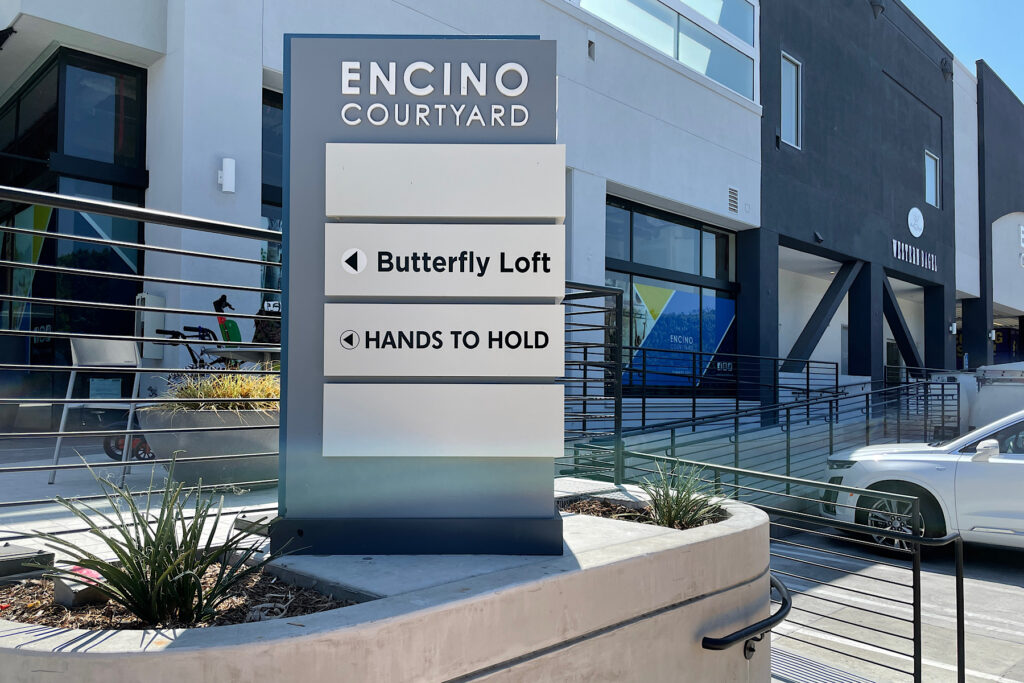
These integrated architectural structures anchor entry points for premium office parks and medical plazas. We specify wet-stamped structural calculations and durable masonry to complement your existing facade. Multi-tenant configurations employ modular monument signs panels. This makes tenant transitions seamless. It ensures new tenant names do not require rebuilding these business building signs from the foundation up.
Pylon and Pole Signs
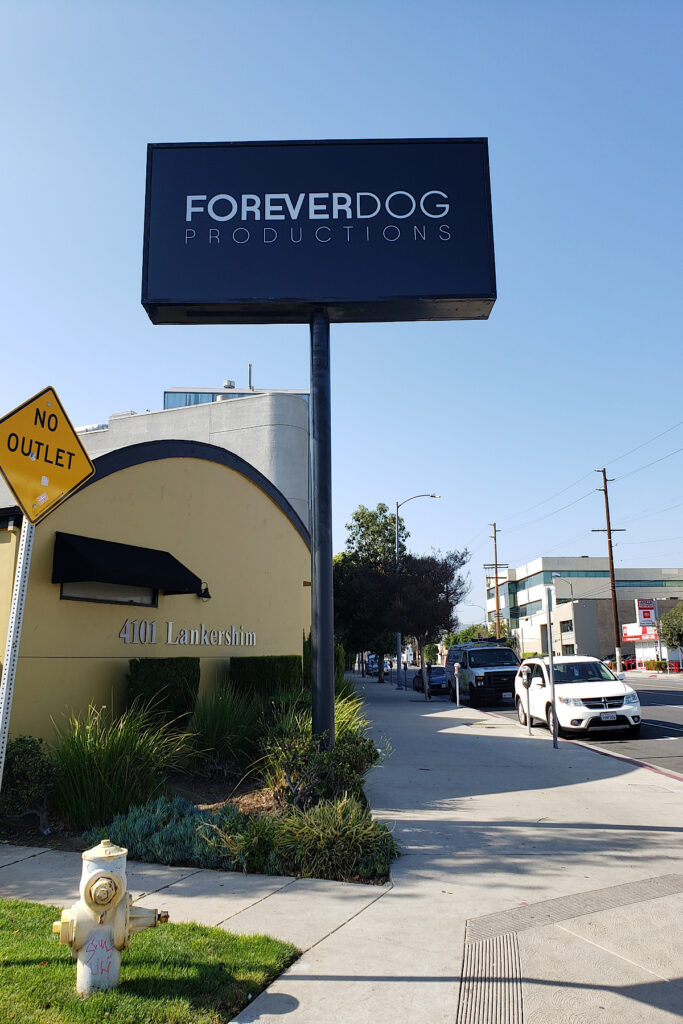
High-impact roadside positions demand tall pylon structures. They must resist wind loads and seismic threats. These massive pylon and pole signs setups require deep caisson foundations. They also require extensive structural submittals to clear municipal check lines. The upfront cost pays long-term dividends. It secures premium, high-visibility exposure for your anchor tenants. Incorporating clean design grids prevents these towering structures from looking cluttered.
Dimensional Lettering and Logos
Non-illuminated dimensional lettering provides clean architectural relief. It suits corporate offices and single-tenant facilities. Technicians secure these components directly into masonry using specialized stud mounts. This approach eliminates complex wiring constraints. It projects a permanent, premium brand image on prominent building surfaces. It is a highly reliable option for properties aiming for a quiet, sophisticated aesthetic.
Cabinet and Lightbox Signs
Illuminated cabinet signs offer an efficient, scalable option for high-turnover retail centers. We use heavy-gauge aluminum enclosures with hinged faces. This allows swift access for routine internal maintenance or power supply replacement. This format streamlines capital improvement costs. Incoming tenants merely require an inexpensive face swap. It is an excellent choice for keeping maintenance budgets lean across high-turnover portfolios.
Wayfinding and Directional Signs
Integrated directional networks prevent operational bottlenecks. They guide vehicular traffic safely from public roadways to parking structures. These compliant panels minimize landlord liability by keeping pedestrian pathways clear. Proactive campus navigation cuts tenant complaints. It reinforces an institutional management standard across the asset. When visitors feel comfortable navigating your site, tenant satisfaction rates rise naturally.
What Actually Determines the Right Sign for Your Property
METHODOLOGY BALANCING MATRIX
| Strategic Focus | Impacts | Market Reality |
|---|---|---|
| Aesthetics | ⇔ | Property Class |
| Budget | ⇔ | Tenant Turnover |
| Permitting | ⇔ | Local Zoning |
| Longevity | ⇔ | Microclimate |
Your underlying asset class and tenant density must dictate your exterior branding strategy. Specifying a single-tenant headquarters requires an entirely different technical blueprint than managing a fifteen-unit medical plaza with high tenant churn. We always audit your tenant mix, expected lease lifecycles, and primary vehicular sightlines.
Understanding how scale impacts visibility is a common hurdle for many property stakeholders. If you are unsure how large your exterior panels should be to capture passing traffic safely, reviewing our guide on why outdoor sign size matters provides a practical, clear framework for calculating physical dimensions before you break ground.
Complex mixed-use properties require a legally binding Master Sign Program. It maps clear boundaries for anchor exposure, secondary directories, and right-of-way pathing. This framework serves as a protective guide for your leasing team, establishing clear rules for brand size, fonts, and lighting.
Zoning is highly complex. Southern California building departments strictly enforce rules governing sign square footage, height limitations, illumination hours, and mounting methods. Los Angeles County plan checks require multiple approvals across planning, structural, and electrical counters. This process takes time. If you want to understand how these local city-hall reviews progress, exploring our overview on commercial structural signage and zoning in Southern California offers a predictable roadmap. Taking these precautions protects your scheduled construction sequence from costly re-submittal loops.
Securing an expert sign vendor who understands these local codes early protects your schedule from expensive administrative loops. Early diagnostic planning minimizes these regulatory complications before they stall your tenant build-out.
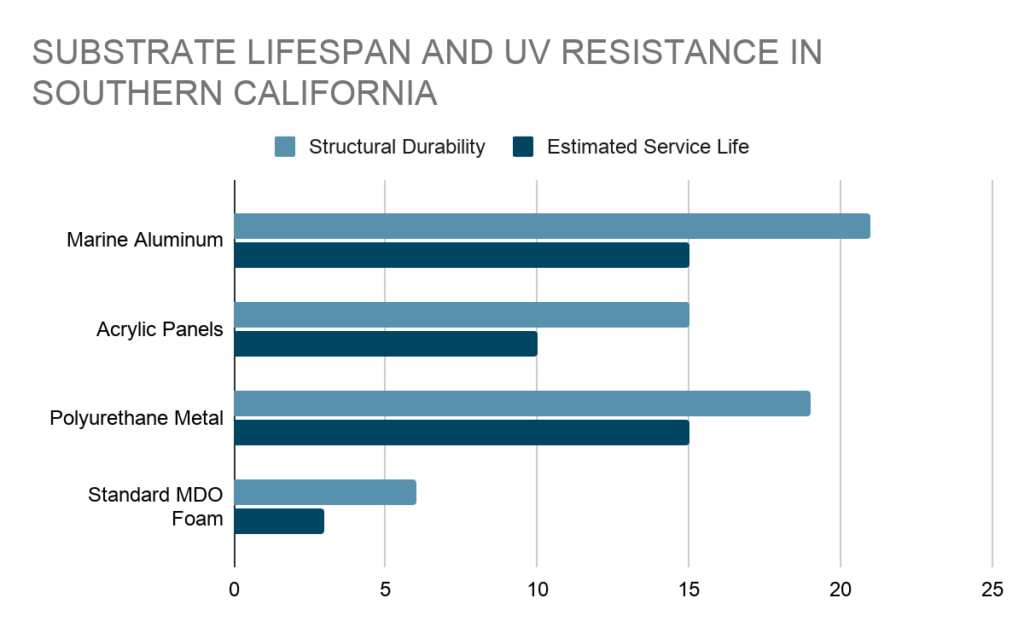
Material specifications must match your specific local microclimate to protect your capital budget. Southern California commercial assets face relentless UV exposure, intense inland heat waves, and corrosive coastal humidity. These conditions degrade substandard components quickly.
Specifying premium, weather-tested materials prevents premature fading or structural cracking. Selecting these robust structural materials preserves your property’s exterior health and keeps your annual triple-net maintenance expenses perfectly predictable. Proper fabrication choices eliminate early structural decay and defend your visual equity.
How to Plan a Signage System for a Commercial Property
Early technical intervention during the pre-construction phase prevents severe delivery friction. This protects your certificate of occupancy. Treating your exterior architectural identity as a core structural asset rather than an aftermarket purchase ensures your building opens on schedule.
This systematic framework outlines exactly how to prescribe and plan a highly resilient, compliant system for your outdoor building signs for business centers.
- Define your primary asset operational goals. You must determine whether your development requires high-impact highway visibility for anchor retail tenants, clean path-of-travel wayfinding for medical patients, or strict compliance with corporate design criteria. Outlining these performance needs upfront prevents expensive architectural change orders during the active fabrication phase.
- Conduct a comprehensive technical site audit. Carefully evaluate your available linear street frontage, structural building envelope penetration zones, and underground utility easements before ordering any new physical hardware. Documenting existing electrical load capacities and removing non-compliant frameworks ensures your new system integrates cleanly without triggering utility line issues.
- Map your municipal zoning and permit timeline. Analyze local city zoning rules immediately because planning department plan-check queues often extend from four weeks to several months if a property requires an architectural variance review. Reviewing the local sign permit requirements for Los Angeles businesses provides a clear, practical roadmap. Early planning keeps your tenant closeout schedule completely safe.
- Specify high-performance commercial grade materials. Select energy-efficient solid-state LED configurations and premium powder-coated aluminum over inferior metal alloys that require frequent field maintenance. This protective engineering strategy drastically lowers your long-term total cost of ownership and keeps your recurring common area maintenance costs predictable for tenants. Long-term planning for business building signs lowers your operational friction and keeps your assets looking immaculate.
- Select a full-scope commercial integration partner. Secure an experienced fabrication team that assumes total operational responsibility for everything from initial site surveys and wet-stamped structural engineering submittals to final field hookups. Eliminating fragmented third-party vendor handoffs closes dangerous liability gaps and keeps your master development construction schedule completely safe.
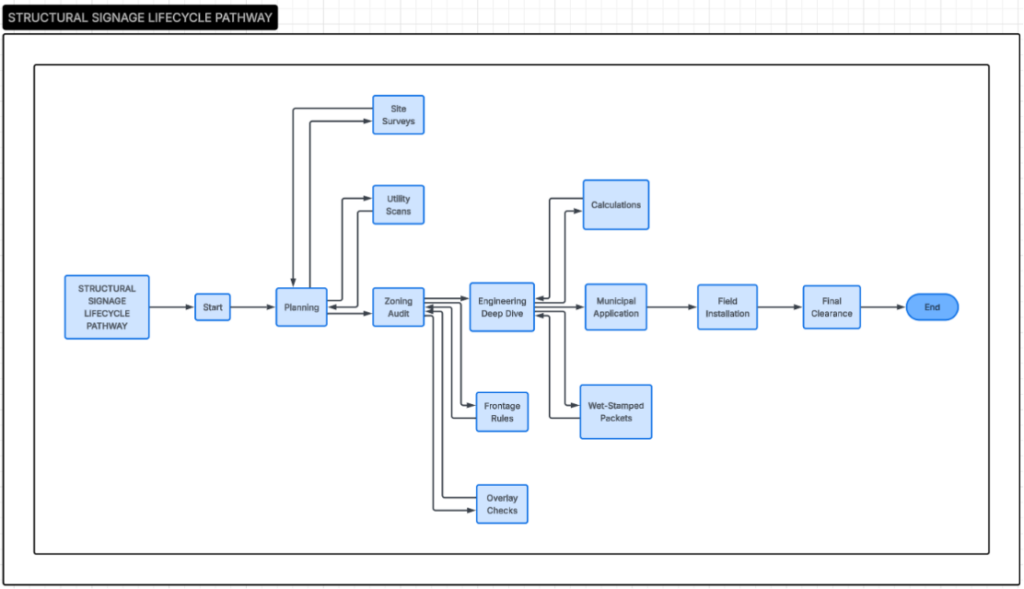
The Structural Signage Lifecycle Pathway
To help your team stay organized across the development cycle, we map the process into eight distinct phases:
| Execution Phase | Primary Focus | Core Coordination Target |
|---|---|---|
| 1 Plans Phase | Architectural Design | Mapping property lines and line of sight restrictions |
| 2 Zoning Audit | Planning Consultants | Verifying frontage allowances and overlay boundaries |
| 3 Engineering | Structural Engineers | Calculating wind load limits and foundation sizes |
| 4 Counter Loop | Project Management | Navigating city plan check counters without delays |
| 5 Site Prep | General Contractors | Wall chasing and setting mechanical anchors early |
| 6 Fabrication | Production Crew | Assembling custom components to exact tolerances |
| 7 Installation | Field Technicians | Crane lifting, mechanical mounting, and power wiring |
| 8 Final Check | Building Inspectors | Securing the final city sign-off for occupancy |
Common Mistakes Commercial Properties Make With Outdoor Signage
Approving individual tenant sign requests on an isolated, ad-hoc basis without an established Master Sign Program is a chronic operational mistake. When you evaluate retail storefronts independently, your asset quickly accumulates a chaotic clutter of competing illumination styles, fonts, and materials. This uncoordinated exterior profile immediately erodes the perceived appraisal value of your commercial real estate property. Enforcing structured landlord sign criteria keeps your entire facade looking cohesive, professional, and distinctly institutional grade.
We solved this exact multi-tenant alignment challenge when we engineered and executed the oversized pylon insert project for Fred Segal in Malibu. The high-end brand guidelines had to match strict local coastal zoning restrictions perfectly without sacrificing street-level visibility or compromising the landlord’s aesthetic standards.
Vastly underestimating municipal permit lead times represents another frequent schedule pathology that delays tenant openings. Many development teams treat exterior identification as a minor punch-list item. They submit municipal paperwork only weeks before a grand opening.
Your occupancy schedule will collapse if a city plan checker flags structural mounting details or mandates a formal architectural variance review. Signage permit planning must occur during initial lease negotiations to protect your critical construction milestones from bureaucratic friction.
Selecting a fabrication vendor based solely on the lowest upfront price submittal often introduces massive hidden financial liabilities. Cheap estimates typically indicate that a contractor is omitting necessary structural engineering calculations, ignoring local safety listings, or avoiding the permit counter entirely.
If a field inspector issues a stop-work order for unapproved disconnect switches or unvetted electrical hookups, remediating those errors mid-construction costs a fortune. Investing in high-quality outdoor building signs for business layouts preserves your budget and protects your asset from late-stage construction friction.
What to Look for in a Commercial Signage Partner
Traditional retail sign shops rarely possess the specialized structural engineering capabilities or dedicated project management infrastructure required to support institutional commercial developments. To preserve your construction critical path, you must demand specific technical competencies when vetting an integration contractor for your property portfolios.
Our work engineering the rotating pylon sign insert for Crunch Fitness in La Mirada shows how we handle complex structural upgrades and custom mechanical hardware safely on high-traffic commercial lots. Similarly, managing the dimensional letters and monument sign project for JB Wholesale in Pomona demonstrates exactly how we coordinate heavy industrial branding elements with clean concrete masonry integration.
Additionally, the installation of the pylon sign inserts for Five Keys in Pacoima proves our ability to coordinate swift brand updates across active properties without disrupting daily campus operations.
To protect your asset values over time, ensure your partner matches these critical operational criteria:
- Institutional portfolio depth. Your chosen firm must demonstrate a documented track record managing expansive medical plazas, corporate office parks, and multi-tenant assets rather than isolated retail storefronts. This extensive background ensures they thoroughly understand complex multi-building campus layouts.
- In-house municipal permitting fluency. The provider needs direct, daily experience navigating local Southern California plan-check counters, regional zoning boards, and strict municipal design review groups. This localized relationship network keeps your construction scheduling perfectly on track.
- Turnkey full-scope production. A qualified partner directly manages the entire structural pipeline spanning initial layout design, structural engineering submittals, UL-listed fabrication, electrical hookups, field installation, and ongoing maintenance. Eliminating third-party subcontractors closes dangerous accountability gaps.
- Commercial asset management alignment. The engineering team must thoroughly understand landlord lease covenants, tenant visibility balancing formulas, and long-term material lifecycle economics. This shared executive mindset actively shields your asset from future operational liabilities while maintaining your property-wide business building signs over time.
Ready to Plan Your Commercial Signage System?
Selecting the right outdoor building signs for business portfolios is an architectural system decision, not a simple product purchase. Your long-term property valuation depends on how effectively you align your physical layout, tenant leasing covenants, and local zoning constraints. Taking a protective, structured approach secures your final building closeout milestones and defends your overall market equity.
If you manage a commercial development or facility rollout across Southern California, our specialists stand ready to simplify the municipal red tape. Premium Sign Solutions acts as your dedicated structural coordinator, directly managing everything from structural engineering calculations to smooth city planning clearances. Connect with our advisory team today to stabilize your project timeline and protect your capital investment.